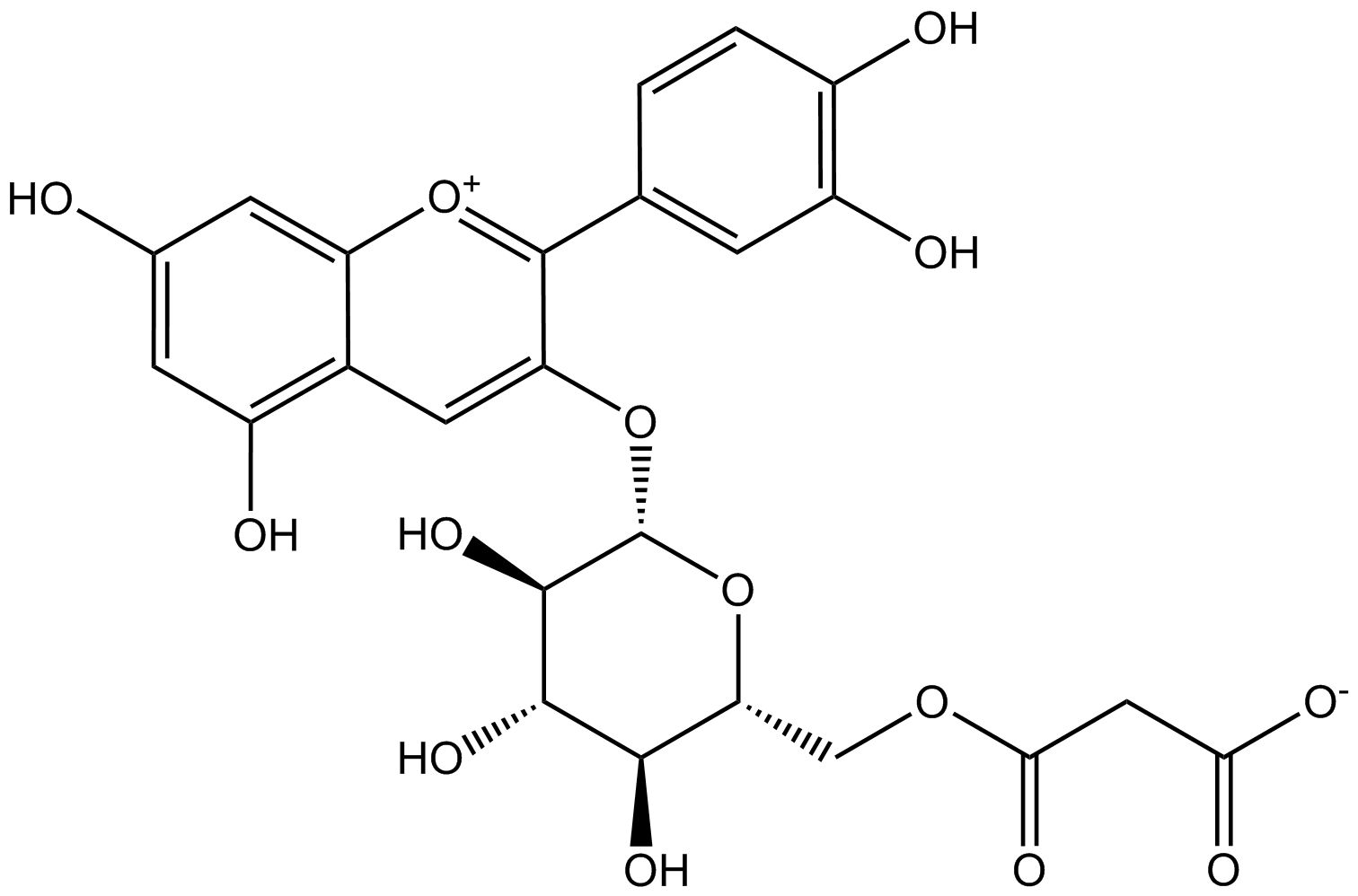
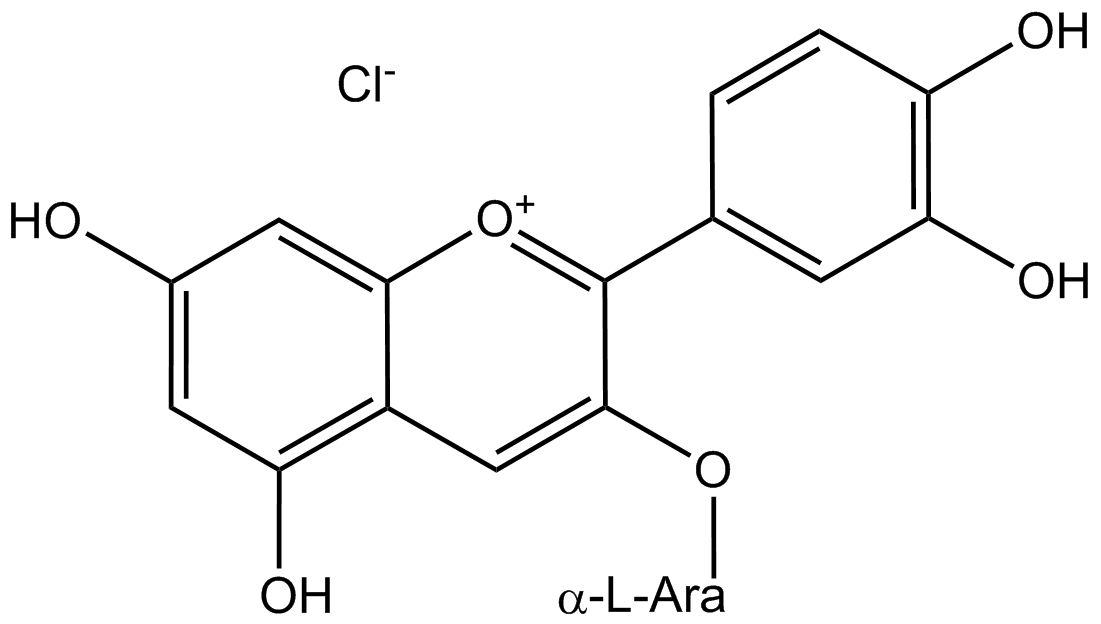
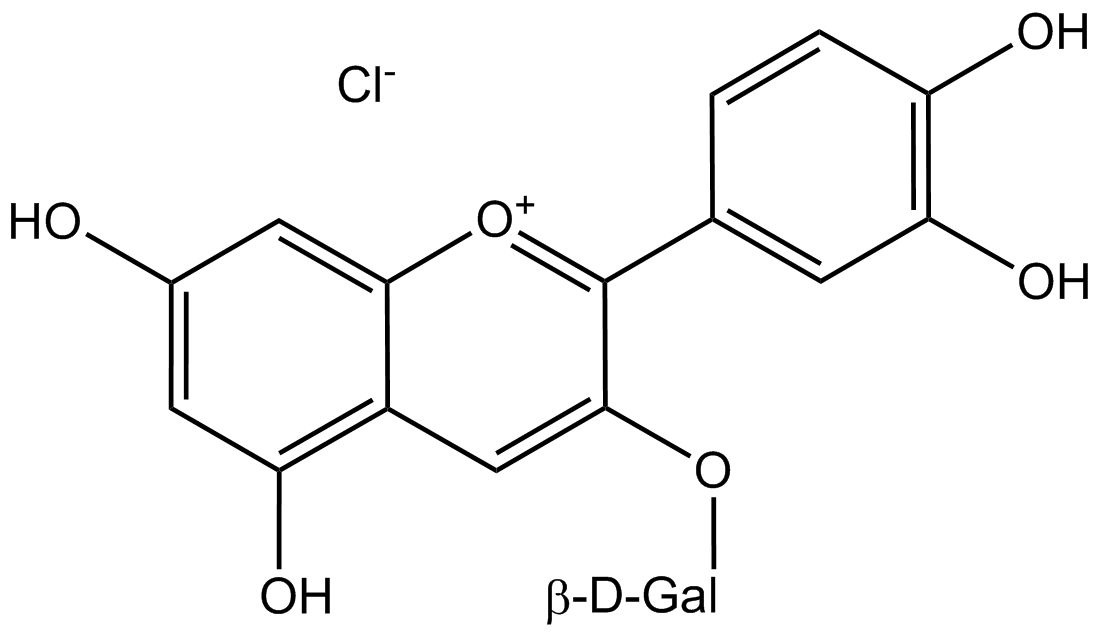
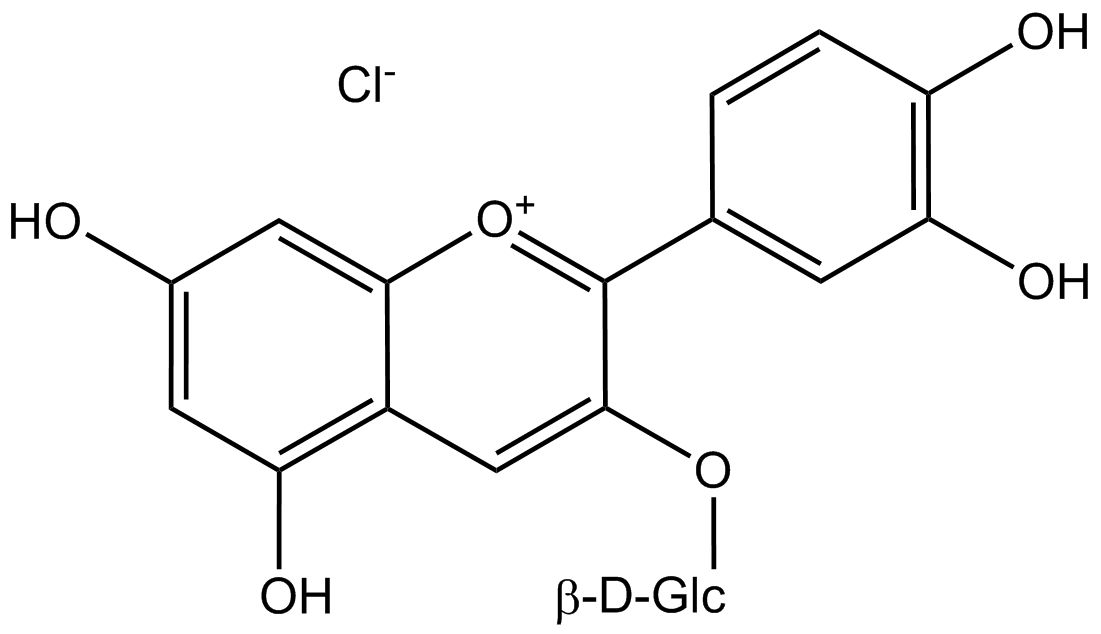
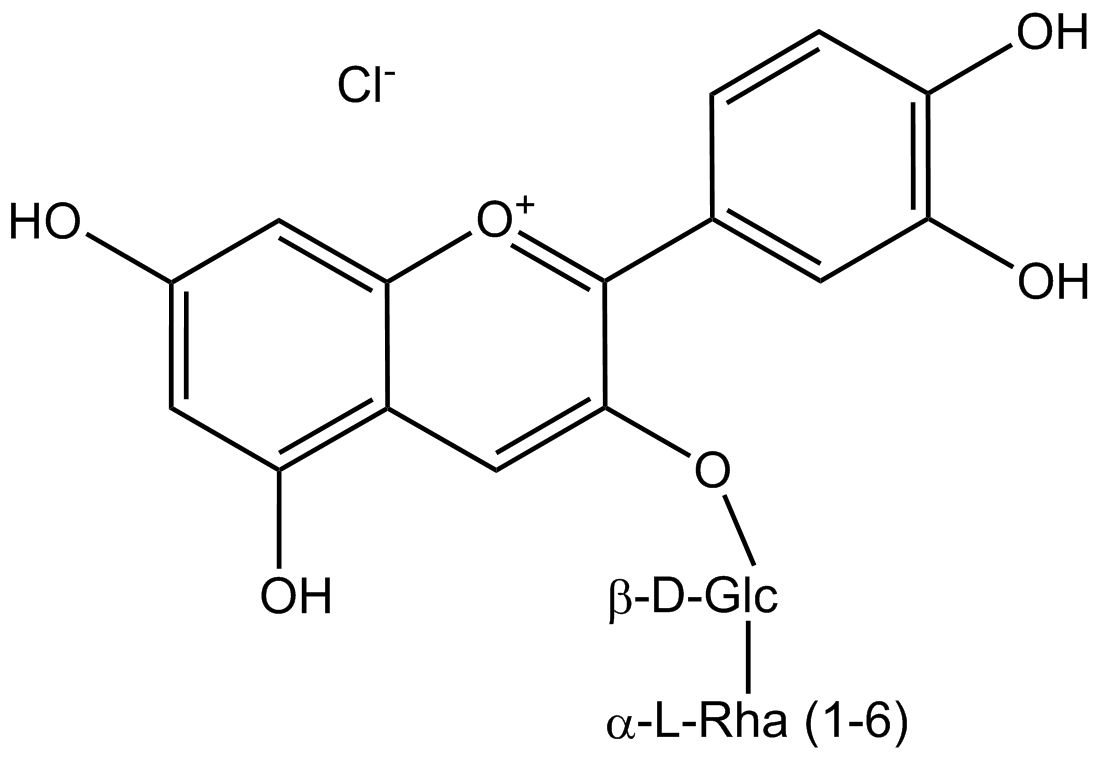
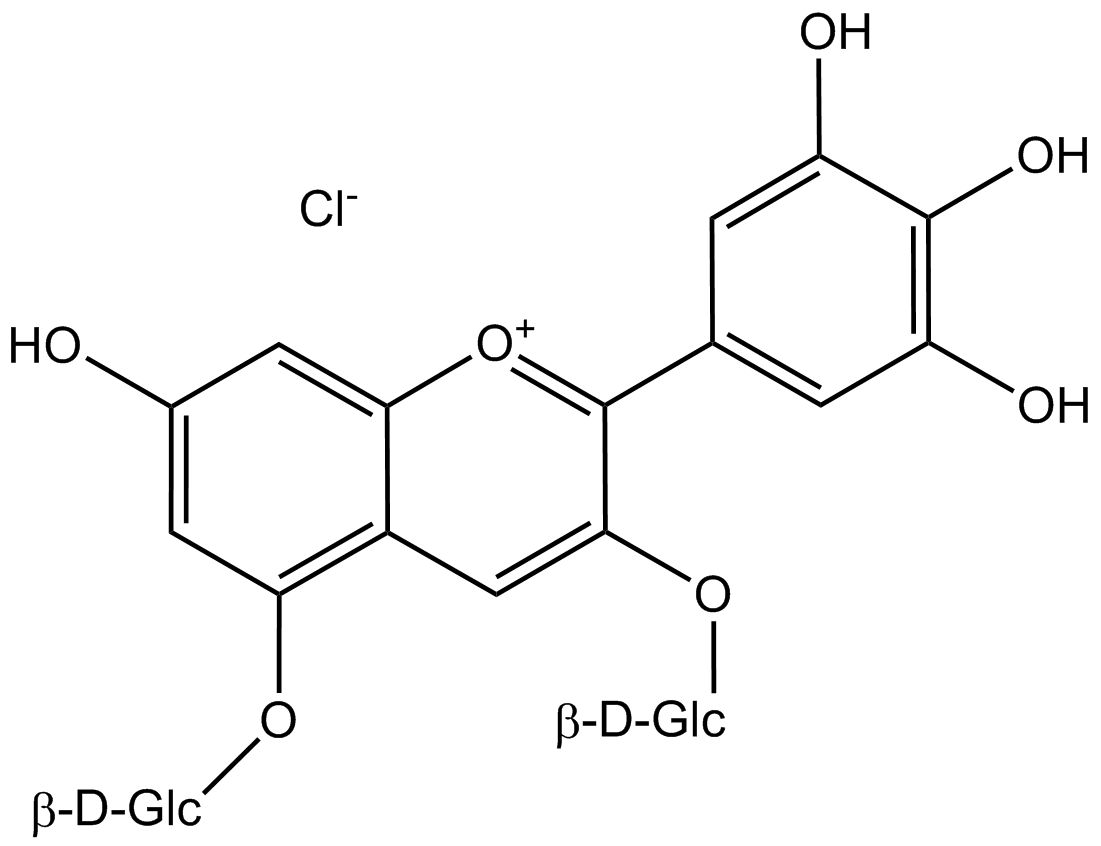
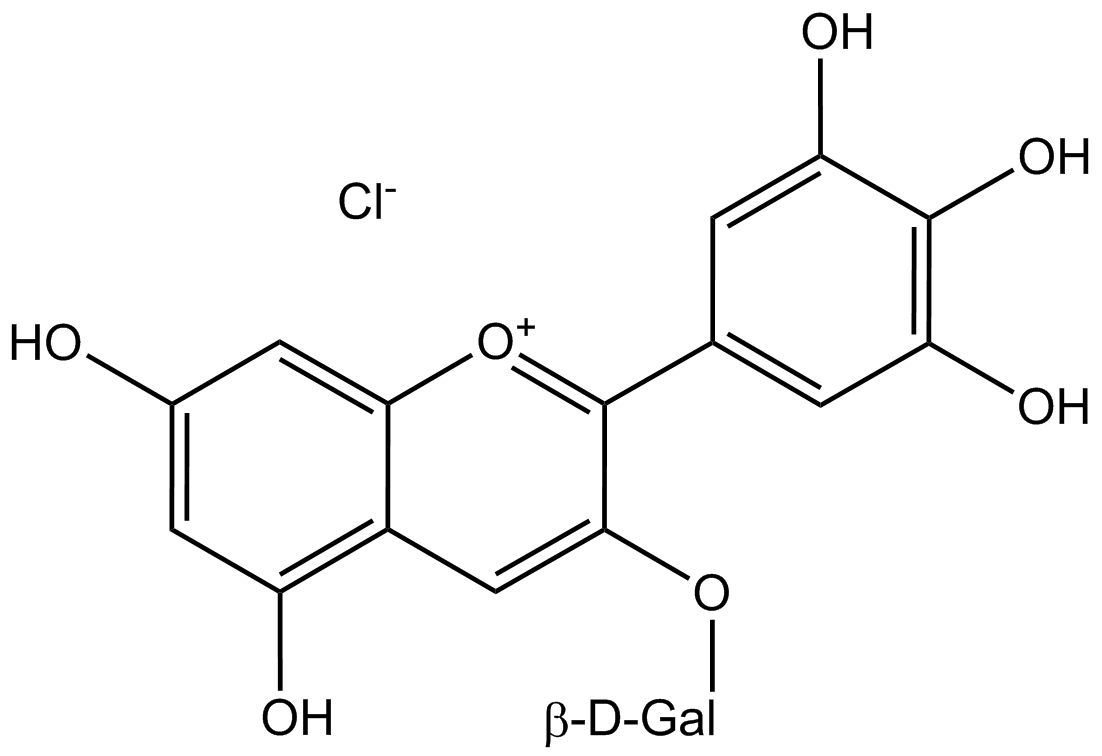
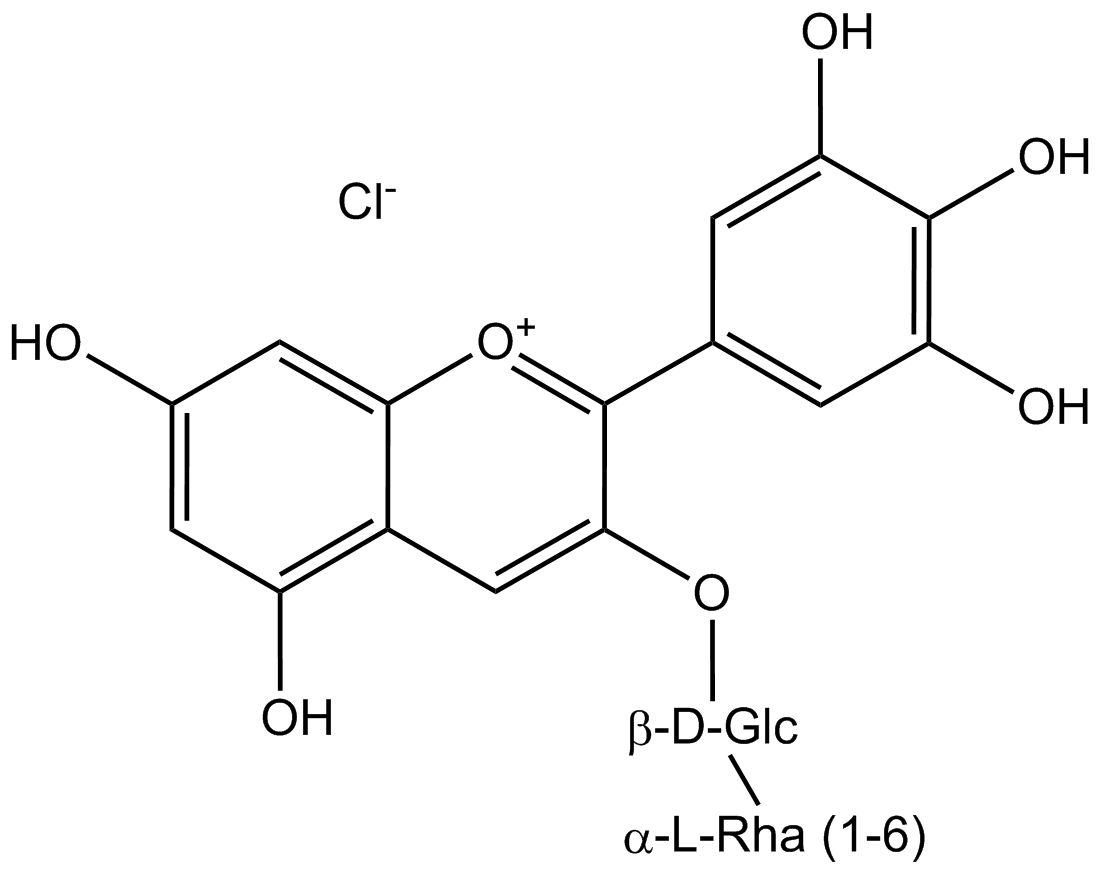
In European Pharmacopoeia, a specification for total content of anthocyanins, calculated as cyanidin 3-glucoside, is given in the monographs for fresh bilberry fruit and fresh bilberrry fruit dry extract, refined and standardised. The latter monograph also specifies a maximum limit for anthocyanidins, calculated as cyanidin, and requests a certain chromatographic profile to confirm identity. While a photometric assay for anthocyanins is used in the monograph for fresh bilberry fruit, an HPLC method identifying 15 anthocyanins is used in the dry extract monograph. Among these 15 anthocyanins PhytoLab is offering delphinidin 3-galactoside, delphinidin 3-glucoside, cyanidin-3 galactoside, cyanidin 3-glucoside, cyanidin 3-arabinoside, petunidin 3-glucoside, peonidin 3-glucoside, malvidin 3-galactoside and malvidin 3-glucoside as comprehensively characterized reference standards. For the determination of anthocyanidins, the peaks due to cyanidin, delphinidin, malvidin, peonidin and petunidin are considered. All these items are available as primary reference substances.
A minimum content of procyanidins, expressed as cyanidin, is given in the European Pharmacopoeia monograph on hawthorn berries.
In United States Pharmacopoeia, the dietary supplements monograph on powdered bilberry extract specifies a minimum content of anthocyanins, calculated as cyanidin 3-glucoside, and a maximum limit for anthocyanidins, calculated as cyanidin. Requirements on chromatographic profiles including peak intensities of various anthocyanins are given. delphinidin 3-galactoside and delphinidin 3-glucoside are described as the most intense peaks, both being more intense than the peak due to cyanidin 3-glucoside, which is of similar intensity than the peaks caused by cyanidin-3 galactoside and delphinidin 3-arabinoside. A total of 15 anthocyanins are described in the HPLC chromatogram, among these we are offering delphinidin 3-galactoside, delphinidin 3-glucoside, cyanidin-3 galactoside, cyanidin 3-glucoside, cyanidin 3-arabinoside, petunidin 3-glucoside, peonidin 3-glucoside, malvidin 3-galactoside and malvidin 3-glucoside. Most of these anthocyanins are primary reference substances. For the determination of anthocyanidins, the peaks due to cyanidin, delphinidin, malvidin, peonidin and petunidin are considered.
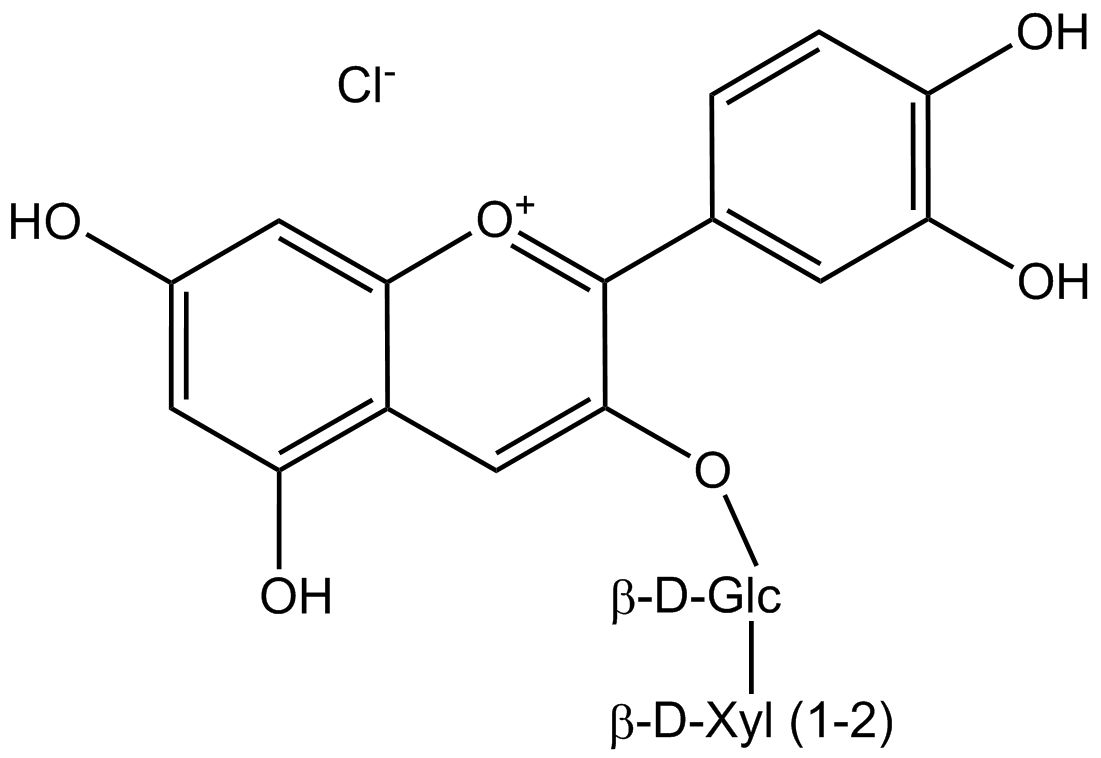
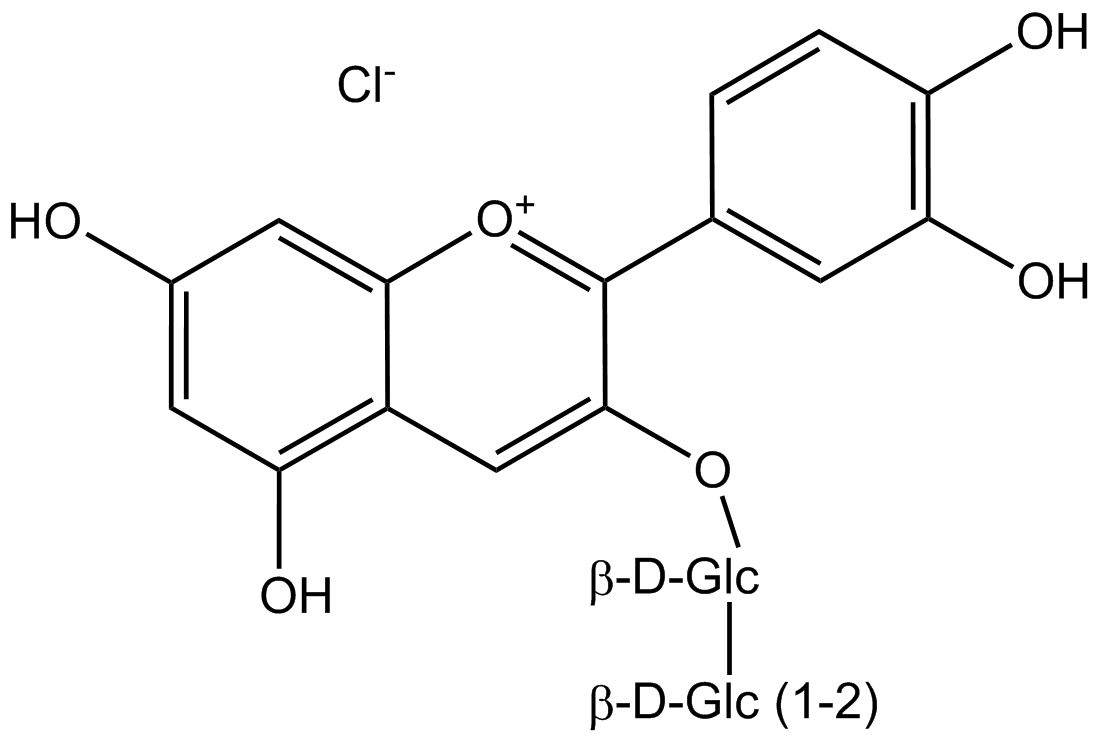
The United States Pharmacopoeia monograph on European elder berry dry extract specifies a minimum content of anthocyanins, calculated as the sum of the chloride salts of cyanidin 3-sambubioside 5-glucoside, cyanidin 3,5-diglucoside, cyanidin 3-sambubioside and cyanidin 3-glucoside on the anhydrous basis. A maximum limit for anthocyanidins, calculated as anhydrous cyanidin chloride, is given as well. Requirements on chromatographic profiles including peak intensities of various anthocyanins are given. The most intense peak is due to cyanidin 3-sambubioside, followed by cyanidin 3-glucoside. The peak due to cyanidin 3-sambubioside 5-glucoside is substantially smaller. cyanidin 3,5-diglucoside and cyanidin represent minor peaks only.